Mini Electric RC Submarine Guide: Safe Underwater Fun
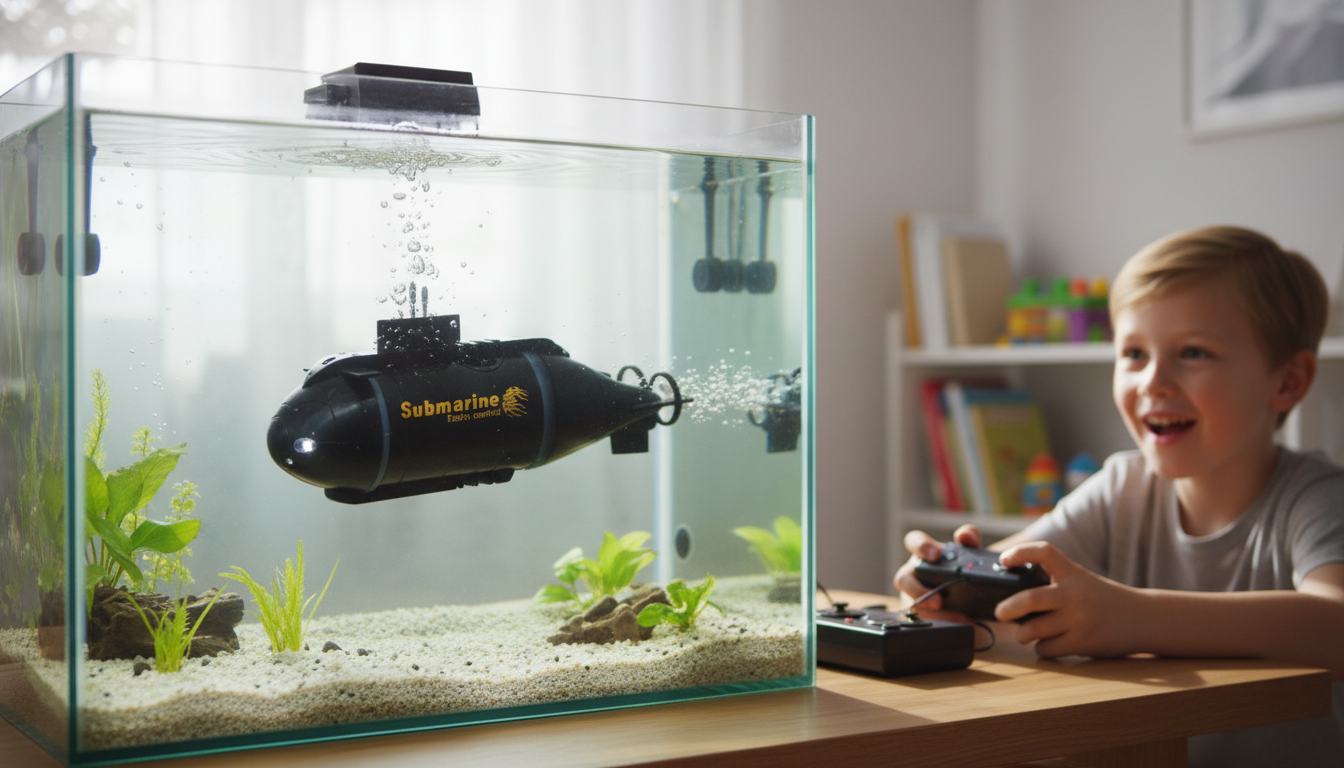
Mini Electric RC Submarine: Underwater Diving Speed Boat Remote Control Drone
A mini RC submarine adds a fresh twist to water play by letting kids steer, dive, and cruise beneath the surface in pools, bathtubs, and calm ponds. Unlike typical remote-control boats that stay on top of the water, an underwater-capable toy introduces depth control, slower “gliding” turns, and the excitement of watching it disappear and reappear. The key is using it in the right conditions—clear, calm water and close supervision—so the fun stays smooth and frustration-free.
What it is and how it moves underwater
A mini electric RC submarine is a compact, battery-powered watercraft designed to operate both on the surface and below it. Instead of aiming for long-distance range, most mini subs are built for visible, close-to-you maneuvering—think short dives, controlled turns, and surface cruising where you can quickly guide it away from walls, steps, or other swimmers.
- Compact electric design: Small hulls are easy to transport, quick to set up, and well suited to tubs and pools.
- Remote control practice: Steering and depth changes help kids develop hand-eye coordination in a contained environment.
- Visibility matters: Performance feels “better” in clear water where you can see orientation and direction.
- Smoother play style: Underwater control typically emphasizes steady handling rather than high-speed, far-away runs.
Where it’s most fun to use
Choosing the right location makes a bigger difference than any single feature. The best spots are calm, clean, and easy to retrieve from—especially during the learning phase.
- Bathtub: Ideal for younger users with close supervision. Retrieval is instant, and the small space makes it easier to learn gentle turns and short dives.
- Swimming pool: More room to steer and dive. For the best experience, avoid crowded swim times and keep the toy in a dedicated area away from active swimmers.
- Calm ponds: Only consider ponds where water is clean and access is safe, and where you can easily retrieve the toy if it stops or drifts.
- Avoid hazards: Strong currents, surf, and weedy areas can snag moving parts and turn a fun session into a tricky rescue.
Key features to look for in an RC submarine toy
Mini RC submarines are simple by design, so a few practical checks go a long way toward reliability and easier control.
Water sealing
Look for a tight battery compartment, secure closures, and well-fitted hull seams. Water resistance isn’t just about preventing failure—it also reduces intermittent glitches that can happen when moisture reaches electronics.
Stable buoyancy
Predictable floating and diving behavior makes learning easier. A toy that stays level and transitions smoothly between surface and submerged play is less likely to “porpoise” up and down unexpectedly.
Simple, beginner-friendly controls
Intuitive steering and responsive forward/reverse help kids correct mistakes quickly. Smooth control is especially helpful near pool walls, tub edges, or steps where sudden turns can cause bumps.
Recharge and runtime expectations
Plan for shorter sessions. Between runs, it helps to dry the exterior and allow a brief cool-down if the motor area feels warm. Shorter, repeatable sessions tend to be more fun than pushing for maximum runtime.
Durable body
An impact-resistant shell helps the toy handle common bumps—pool walls, tub corners, and accidental taps during retrieval.
Quick specs checklist
Use this checklist to compare expectations before buying or gifting. If a spec isn’t listed on the product page, focus on real-world factors that matter most: water conditions, supervision, and easy retrieval.
| Item to check | Why it matters | Practical tip |
|---|---|---|
| Recommended water type | Affects control and visibility | Start in a bathtub or clear pool to learn handling |
| Battery and charging method | Determines how often it can be used | Dry the toy fully before charging; keep charging area away from water |
| Control responsiveness | Helps kids avoid sudden crashes | Begin with slow turns near the surface |
| Water sealing and hatch fit | Reduces risk of water entering electronics | Check seals and close the compartment firmly before every use |
| Retrieval plan | Prevents loss and frustration | Use only where it can be reached with a net or by hand |
Safety and care for longer life
Any water toy needs thoughtful supervision and basic maintenance. Water safety guidance from the American Academy of Pediatrics and drowning-prevention tips from the U.S. Consumer Product Safety Commission are excellent references for families.
Gift ideas and who it suits best
Mini Electric RC Submarine product overview
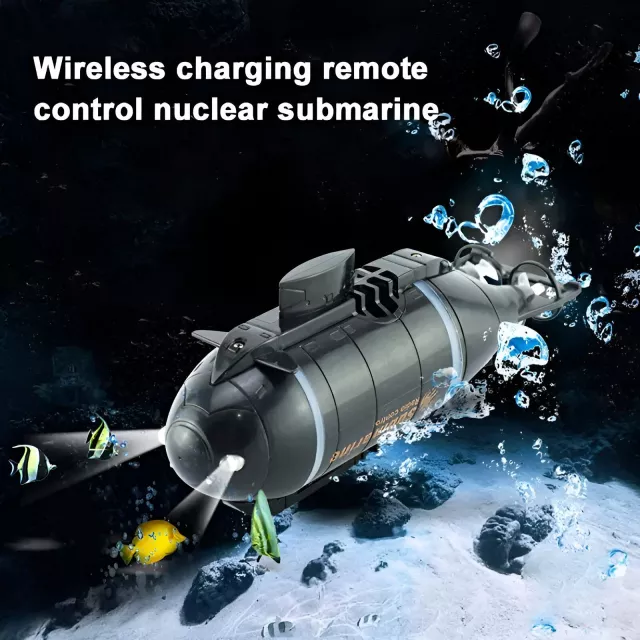
If you’re looking for an affordable entry into underwater RC play, the Mini Electric RC Submarine Underwater Diving Speed Boat Remote Control Drone is an in-stock option designed for controlled, calm-water fun. It’s best enjoyed where visibility is good and retrieval is easy—like a bathtub or a clear swimming pool—so new pilots can focus on smooth steering and simple dives.
For poolside hangouts or backyard gatherings that go along with water play, the in-stock 90W Peak 50W RMS Bluetooth Speaker is a practical add-on for music and announcements—kept safely away from splash zones and never handled with wet hands.
FAQ
Can an RC submarine be used in a bathtub or small pool?
Yes. Small, calm water spaces are ideal for learning control because the toy stays visible and easy to retrieve. Close supervision is still important, even in shallow water.
How can water from a pool affect an RC submarine over time?
Chlorine and residue can gradually wear seals and leave buildup on the hull. Rinsing with fresh water after use, drying completely, and storing out of heat helps extend the toy’s life.
What should be done if water gets inside the toy?
Stop using it immediately, power it off, and dry it thoroughly (including compartment areas) before attempting to use or charge it again. If it shows signs of damage or keeps malfunctioning, discontinue use.




Leave a comment