Mechanical Keyless Door Lock: Stainless Handle + 14 Keys
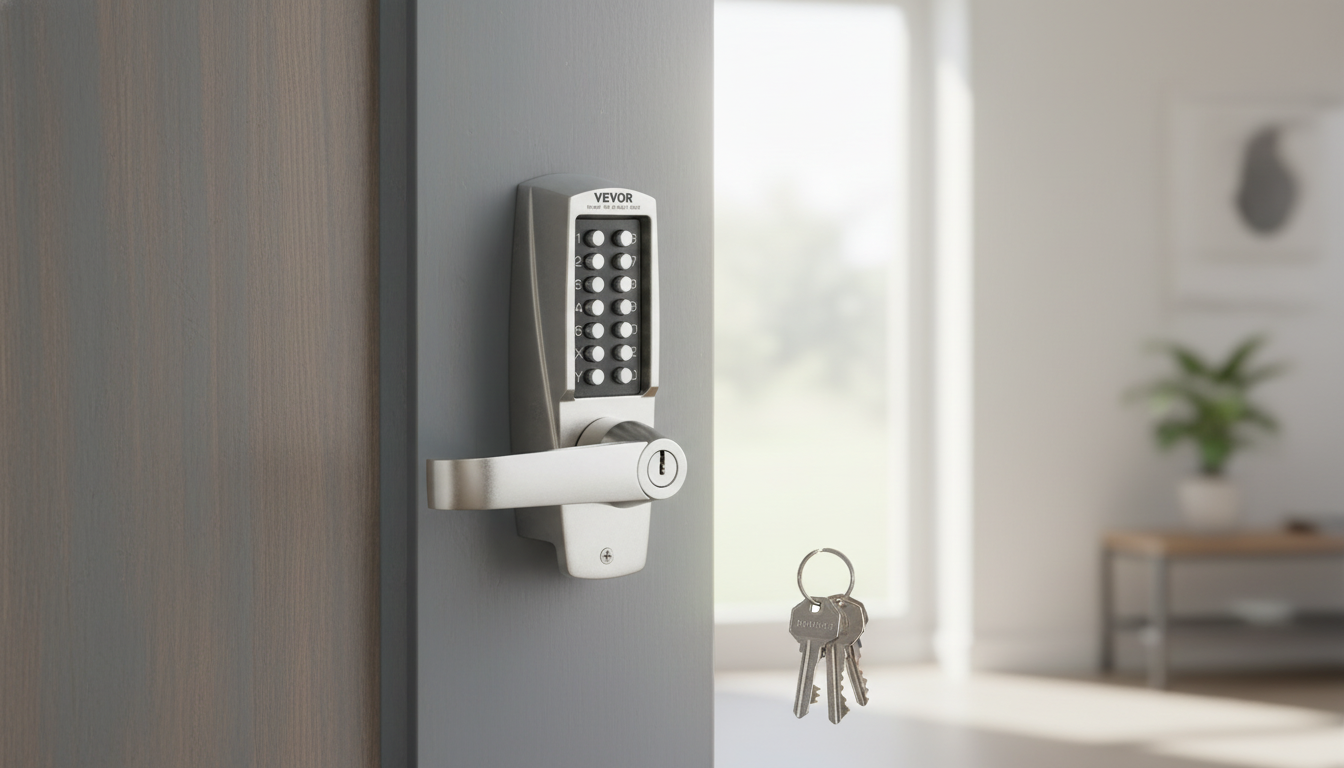
Mechanical Keyless Entry Door Lock with 14 Keys Stainless Steel Handle
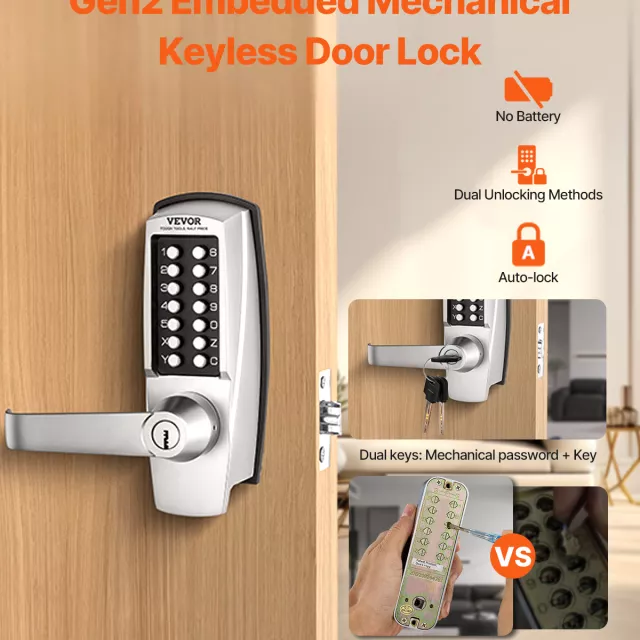
A mechanical keyless entry lock adds everyday convenience without relying on batteries or apps. This stainless steel handle set combines keypad-style access with included keys, making it a practical choice for homes, rentals, workshops, and shared-entry doors where simple, reliable access matters.
What This Lock Set Is Designed to Do
This lockset is built for predictable, day-to-day access—especially where multiple people need entry without constant key handoffs.
- Provide keyless access using a fully mechanical code mechanism (no batteries to replace)
- Include traditional keys as a backup option for households, guests, or emergencies
- Add a stainless steel handle set for durability and a clean, modern look
- Work well for shared access situations like rentals, offices, side doors, and utility rooms
Because it’s mechanical, the core advantage is consistency: there’s no battery level to monitor, no charging routine, and no app setup that might confuse guests or staff.
Key Features at a Glance
When comparing entry hardware, the most useful features are often the simplest ones: dependable operation, sturdy materials, and flexible access options.
- Mechanical keypad operation for consistent performance in hot, cold, or humid conditions
- Stainless steel handle construction to resist corrosion and daily wear
- Includes 14 keys for convenient distribution to family members, staff, or trusted neighbors
- Suitable for users who prefer a straightforward lock without apps, pairing, or charging
| Feature | Why it helps |
|---|---|
| Mechanical keyless entry | No batteries or charging; fewer electronic failure points |
| Stainless steel handle | Improves durability and helps resist rust and tarnish |
| 14 included keys | Easy to equip multiple users with a physical backup option |
| Everyday access control | Supports controlled entry for shared doors and frequently used entrances |
Mechanical Keypad vs Electronic Keypad: Practical Differences
Both mechanical and electronic keypad locks can reduce the hassle of carrying keys, but they solve different problems. The best choice depends on whether reliability or connected features matter most for the door in question.
- Mechanical keypads avoid battery replacement and many weather-related electronic issues
- Electronic locks often offer logs, remote access, and temporary codes, but require power and setup
- Mechanical options can be ideal for users who want simplicity and predictable operation
- If remote access, smartphone control, or event history is required, an electronic smart lock may be a better fit
Quick Comparison
| Category | Mechanical keyless lock | Electronic keypad/smart lock |
|---|---|---|
| Power | No batteries | Batteries or wired power |
| Setup | Manual code configuration | Programming + sometimes app pairing |
| Features | Simple access control | Remote access, schedules, audit logs (model-dependent) |
| Best for | Reliability and simplicity | Automation and connected features |
For shoppers who prioritize established performance standards for door hardware, it can also help to review certification and testing references from organizations like BHMA (Builders Hardware Manufacturers Association) and safety/testing information from UL Solutions.
Where It Fits Best
A mechanical keyless lock is most at home on doors that get frequent use and need easy access for multiple people—without the overhead of managing an electronic system.
- Rental properties and shared homes where codes reduce key handoffs
- Workshops, sheds, and storage rooms where battery-free reliability is preferred
- Side doors, garage-to-house entry doors, and utility areas that see frequent use
- Small offices or back-of-house doors that need straightforward, repeatable entry
Installation Considerations Before Buying
A few quick checks before purchase can prevent most installation surprises and improve how smoothly the latch and handle operate after mounting.
- Confirm the door’s thickness and existing bore hole alignment to reduce installation surprises
- Check whether the door swing and handle orientation match the intended installation position
- Inspect the strike plate area; a solid frame and properly aligned strike improve security and smooth closing
- Plan key management: decide who receives keys and how to store spares safely
Pre-Install Checklist
| Check | What to verify |
|---|---|
| Door prep | Bore hole and latch alignment are compatible with a standard lockset installation |
| Door condition | Frame is solid; door closes flush without rubbing |
| Handing/orientation | Handle direction matches the door swing |
| Security basics | Use appropriate screws and ensure the strike plate seats firmly |
Everyday Use Tips for Smooth Operation
Mechanical locks are low-maintenance, but small habits help them stay consistent—especially on high-traffic doors.
- Keep the keypad area clean and free of paint buildup or debris that can affect button travel
- If the handle feels stiff, verify the latch alignment; misalignment often causes drag
- Avoid harsh chemical cleaners on stainless steel; use a mild cleaner and soft cloth
- Store spare keys in a secure location rather than near the entry door
Care and Maintenance
A few minutes of periodic upkeep can preserve both the feel of the mechanism and the appearance of the stainless steel handle.
Product Option
- Mechanical Keyless Entry Door Lock with 14 Keys Stainless Steel Handle (In stock, $56.42)
More In-Stock Picks
- Waterproof Multifunctional 1.5L Bike Frame & Saddle Storage Bag (In stock, $12.39)
- 90W Peak 50W RMS Bluetooth Speaker (In stock, $45.91)
FAQ
Does a mechanical keyless lock need batteries?
No. A mechanical keyless entry lock uses a purely mechanical code mechanism, so it does not require batteries or charging like electronic keypad or smart locks do.
Why include keys if the lock is keyless?
Keys provide a simple backup for emergencies, guests who prefer a traditional key, or situations where a code shouldn’t be shared. Keep spare keys stored securely away from the entry door.
Is stainless steel better for exterior doors?
Stainless steel is commonly chosen for exterior hardware because it resists corrosion and holds up well to everyday wear. Basic care—wiping moisture and using gentle cleaners—helps maintain the finish over time.




Leave a comment