Heavy-Duty Bike Cable Lock: Flexible, Portable Security
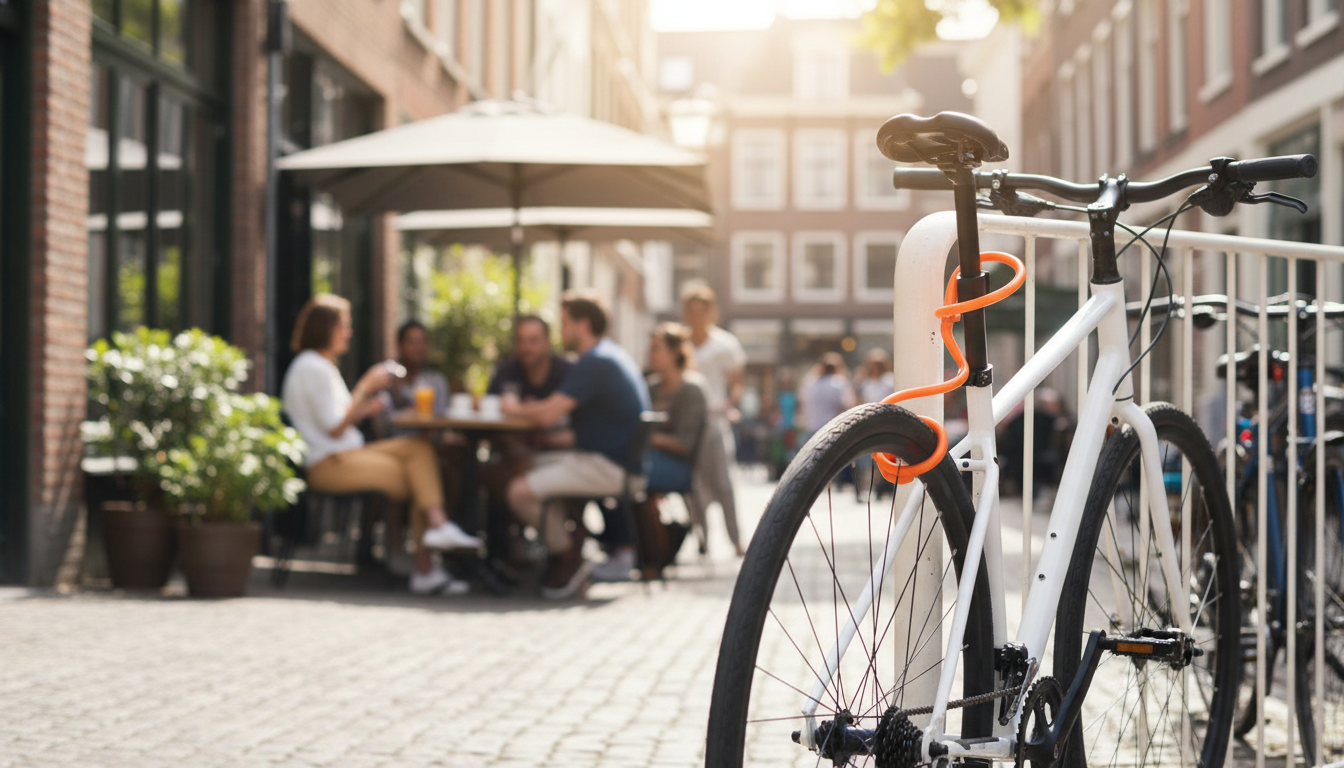
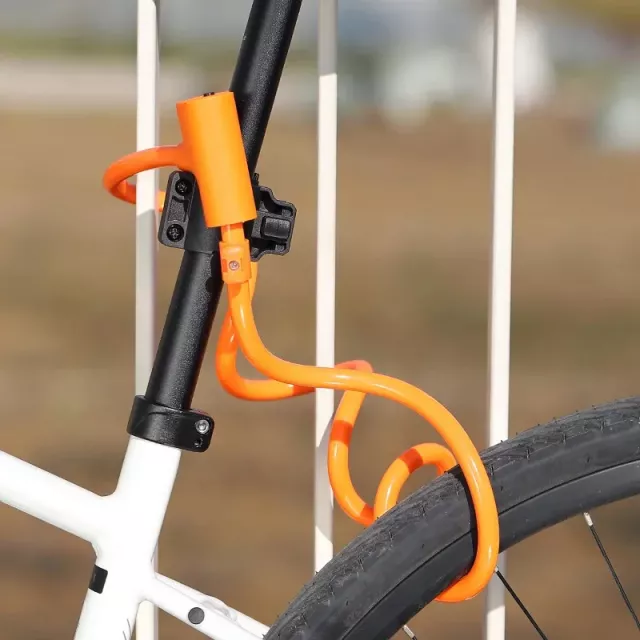
Durable Anti-Theft Bicycle Cable Lock – Heavy-Duty, Flexible & Portable
A reliable cable lock can make everyday stops—coffee runs, commutes, quick errands—feel a lot less stressful. This heavy-duty, flexible bicycle cable lock is built for easy carry, fast locking, and practical security when paired with smart locking habits and a solid anchor point. For riders who value portability and convenience, a cable lock is often the difference between “I’ll risk it” and “I’ll lock up properly.”
What This Cable Lock Is Best For
- Quick stops and medium-risk parking when a compact lock is preferred over bulky hardware
- Locking a bike to racks, posts, and railings where flexibility helps reach around larger objects
- Securing accessories (helmet, wheels, stroller, scooter) alongside the bike frame
- Travel, campus, and urban use where portability matters
If you’re looking for a simple, packable option for day-to-day lockups, consider the Durable Anti-Theft Bicycle Cable Lock – Heavy-Duty, Flexible & Portable. It’s an easy grab-and-go choice for riders who lock up frequently and want a flexible route around real-world racks and posts.
Security Basics That Matter More Than Any Single Feature
- Lock the frame first: route the cable through the main triangle when possible, not just a wheel.
- Choose a fixed, sturdy anchor: avoid thin signposts, loose railings, or anything a bike can be lifted over.
- Keep the lock off the ground: reduces leverage for cutting and prying attempts.
- Minimize slack: tighter cable positioning leaves less room for tools.
- Park in visible, well-lit areas: reduces tampering time and improves deterrence.
For additional theft-prevention fundamentals like registration and recovery tips, Bike Index offers a helpful checklist at Bike Index — Protect Your Bike. If you’re comparing security standards, Sold Secure explains how security ratings are evaluated across different lock types.
Durable, Heavy-Duty, Flexible: What Those Qualities Do in Real Use
- Durability: designed to handle frequent bending, coiling, and daily carry without quickly degrading.
- Heavy-duty build: intended to resist casual theft attempts and opportunistic tampering.
- Flexible routing: easier to loop through frames, wheels, and anchors with awkward shapes or spacing.
- Portable form factor: simpler to pack in a bag, mount with straps, or carry during rides.
Everyday situations and how to lock up
| Situation | Recommended cable path | Extra step for better security |
|---|---|---|
| Quick store stop (5–15 minutes) | Through frame + rear wheel to a solid rack | Reduce slack and keep the lock off the ground |
| Campus class break | Through frame + both wheels (if cable length allows) | Park in a high-traffic area and avoid end-of-rack spots |
| Coffee shop patio seating | Through frame to a fixed anchor nearby | Keep the bike within sight and lock on the rack’s middle section |
| Scooter or e-bike accessory locking | Through frame/neck + accessory | Pair with a secondary lock for longer parking |
How to Use a Cable Lock for Stronger Protection
- Prioritize the frame: the bike is hardest to replace; secure it before accessories.
- If locking a wheel only, choose the rear wheel: it’s typically harder to remove and more valuable with the drivetrain nearby.
- Avoid locking to small trees or removable fixtures: pick anchors that cannot be cut or disassembled easily.
- Combine locks when risk is higher: a cable lock plus a U-lock or chain increases time and tool requirements for theft.
- Record key details: keep the serial number and photos for recovery support.
Locking technique can matter as much as the lock itself. For practical visuals and placement guidance, see Kryptonite — How to lock your bike and adapt the principles to your cable routing and parking environment.
Care and Maintenance for Longer Lock Life
- Keep it clean and dry after rain rides: wipe down before coiling and storing.
- Avoid sharp kinks: coil in wide loops to reduce internal stress over time.
- Store away from grit and salt: road salt can accelerate wear—rinse and dry after winter rides.
- Check the locking end regularly: confirm smooth operation and look for visible damage before relying on it.
A small routine helps: after wet rides, take 30 seconds to wipe the cable and lock head, then coil loosely. Over time, that habit reduces corrosion risk and prevents premature stiffness from grime buildup.
Good Fit For Commuters, Students, and Travel Riders
- Commuters: quick lock/unlock during multi-stop routines.
- Students: lightweight option for short windows between classes.
- Travel riders: portable security for rental bikes, hotel racks, and mixed transportation days.
- Families: useful for strollers, kids’ bikes, and keeping gear bundled together at parks.
For many riders, the “best” lock is the one that actually gets carried. A flexible cable lock supports that reality—especially when your day involves multiple brief stops rather than one long parking session.
Practical Pairing: Carrying the Lock Without the Hassle
A compact storage setup makes consistent locking easier. The Waterproof Multifunctional 1.5L Bike Frame & Saddle Storage Bag is a practical option for keeping a coiled cable lock and ride essentials in one place—especially on commutes, campus rides, and travel days when pockets aren’t enough.
FAQ
Is a cable lock enough for overnight parking?
For overnight or high-risk areas, use a layered approach: pair the cable with a hardened U-lock or chain, lock to a fixed anchor, and choose a well-lit, visible location. Cable-only setups are best reserved for shorter stops or lower-risk parking.
What’s the best way to lock the frame and wheels with a cable?
Route the cable through the main frame triangle when possible, include at least the rear wheel, and secure to a solid rack. Reduce slack and keep the lock elevated to limit leverage and tool access.
How should the lock be stored to prevent wear?
Coil it in wide loops, avoid tight bends, and wipe off moisture and grit before storage. After winter rides, remove road-salt residue when possible and let the lock dry before packing it away.





Leave a comment