Dr. Martens Women’s Leather Sandals: Fit, Style & Care
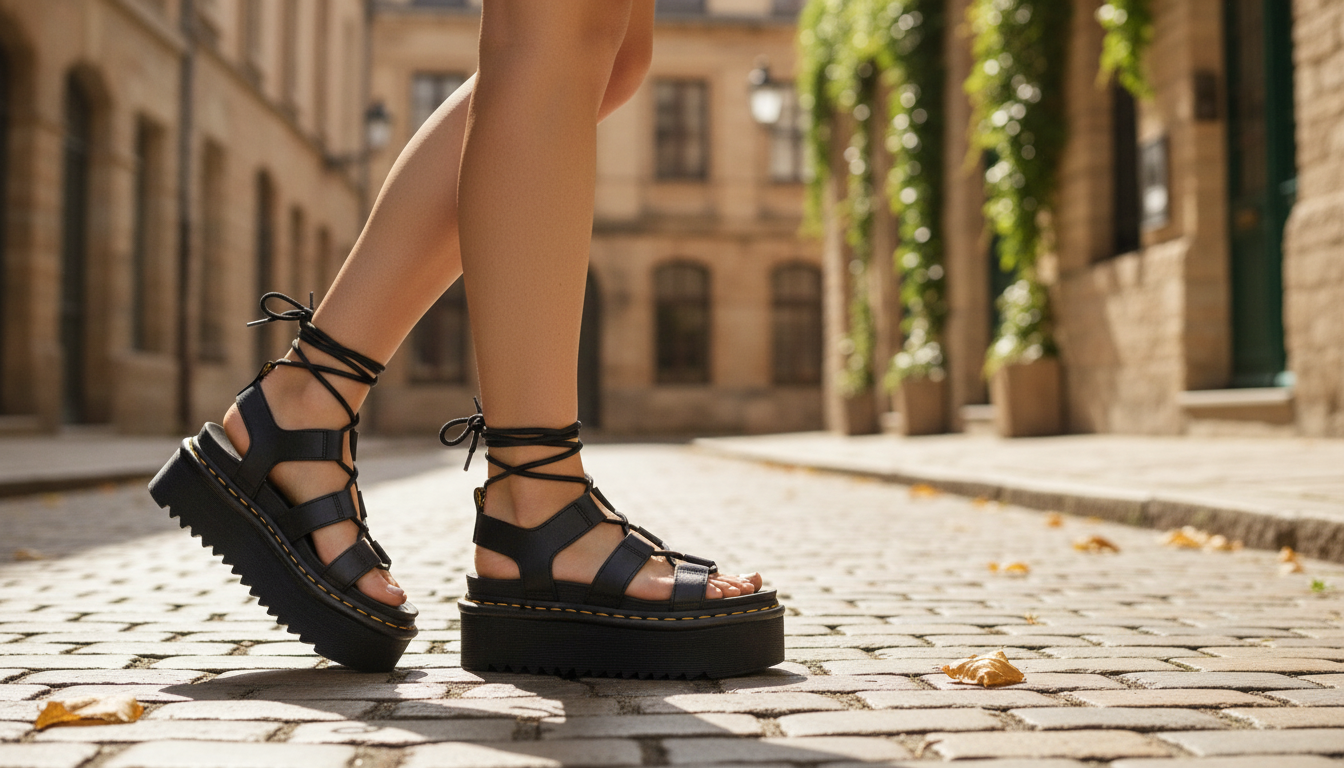
Dr. Martens Women’s Leather Sandals: Everyday Edge With Warm-Weather Comfort
Leather sandals with a sturdy build can carry an outfit and survive long days on your feet. Dr. Martens women’s leather sandals are known for their distinctive look, durable soles, and supportive feel—making them a strong option for city walking, travel, and casual summer styling. If you like a sandal that feels grounded (not flimsy) and adds a little attitude to simple outfits, this is the kind of pair that earns repeat wears. For more guidance, see The Dr Martens Leather Guide: Leather Types Explained.
What Makes These Sandals Stand Out
Dr. Martens sandals tend to deliver a recognizable silhouette: practical enough for everyday errands, but bold enough to anchor a look. The overall effect is “easy outfit upgrade” without needing loud colors or fussy styling.
- Signature design cues: a tough-yet-clean profile that works with denim, dresses, and tailored shorts.
- Leather uppers that break in: straps can soften and mold gradually, creating a more personal fit over time.
- Chunkier sole presence: adds stability underfoot and a confident shape that balances minimal outfits.
- Buckle/strap security: adjustable fastening helps keep your foot in place for longer walks.
Materials and Build Quality to Look For
Leather sandals can vary widely in how they age. A few quick checks help you spot a pair that will look better after a season, not worse.
- Leather upper: look for smooth, even grain and consistent stitching along the strap edges.
- Footbed feel: a supportive footbed typically reduces fatigue compared with flat, squishy foam.
- Outsole traction: deeper tread patterns usually grip better on pavement and mixed surfaces.
- Hardware quality: buckles should fasten cleanly and lie flat without twisting straps.
- Edge finishing: sealed or well-finished edges help reduce early fraying and rubbing.
For more on keeping leather in good shape, Dr. Martens publishes care guidance worth bookmarking: Dr. Martens — Shoe Care Guides. If comfort and foot health are top priorities, general footwear tips from the American Podiatric Medical Association — Footwear can also help you evaluate support and fit.
Fit and Comfort: Getting the Best Wear From Day One
The right fit matters more with structured leather sandals than with soft slides. Aim for secure contact through the heel and midfoot, and remember that leather often relaxes after a few wears.
- Secure heel and midfoot: your foot should feel held without pinching.
- Slight toe room: toes shouldn’t press into the front edge when walking downhill.
- Short break-in window: start with shorter outings, then increase time on foot.
- Prevent hot spots early: thin socks or protective patches can help where straps rub.
- Re-check buckle settings: after the first few wears, adjust as the leather relaxes.
Quick Fit Checklist (Use as an HTML table in the article)
| Check | What to look for | Why it matters |
|---|---|---|
| Heel security | Minimal lift when stepping | Reduces blisters and instability |
| Toe clearance | A small gap in front of toes | Prevents rubbing and nail pressure |
| Strap pressure | Snug, not biting into skin | Avoids numbness and hot spots |
| Arch/footbed feel | Comfortable support under midfoot | Helps with all-day walking |
| Walk test | No strap shifting after 20–30 steps | Prevents friction over time |
How to Style Leather Sandals With a Tougher Silhouette
A sturdier sandal shape can make summer outfits feel more intentional—especially when the rest of the look is simple. The key is balance: soft fabrics and clean lines pair well with a grounded sole.
- Minimal outfits: a plain tee and straight-leg jeans let the sandals take the lead.
- Summer dresses: contrast a light dress with a sturdier sandal for an easy, balanced look.
- Office-casual: try cropped trousers and a structured shirt for a clean, modern edge.
- Travel uniform: breathable layers plus a crossbody makes day-to-night transitions easier.
- Accessories: match hardware tones (buckles, jewelry) for a more finished feel.
Care Tips for Leather Sandals
A little upkeep goes a long way, especially if you’re wearing sandals on hot pavement, near sand, or through sudden summer rain.
- Wipe after wear: remove dust and grit so straps don’t dry out unevenly.
- Condition occasionally: a light leather conditioner helps maintain suppleness.
- Avoid soaking: prolonged water exposure may stiffen leather and weaken adhesives over time.
- Dry correctly: air-dry away from direct heat; gently reshape straps if needed.
- Store smart: avoid crushing pressure; use tissue/inserts to help retain shape.
Is This Pair Right for You?
Available Now
Dr. Martens Women’s Leather Sandals are currently listed as in stock, with a listed price of $112.50 USD. For the most accurate sizing options, current photos, and purchasing details, check the product page.
In-stock add-ons for travel days and festivals
- Waterproof Multifunctional 1.5L Bike Frame & Saddle Storage Bag for carrying small essentials when you want to keep your hands free.
- 90W Peak 50W RMS Bluetooth Speaker for backyard hangs, campsite stops, or pre-game playlists.
- Your Checklist for Writing a Children’s Book (Printable Author Guide) for downtime on flights, trains, or evenings at the hotel.
FAQ
Do Dr. Martens leather sandals need a break-in period?
Often, yes—leather straps typically soften as you wear them. Start with shorter outings, adjust the buckles after the first few wears, and use thin socks or blister protection briefly if you notice hot spots.
How should leather sandals be cleaned after summer wear?
Wipe them with a slightly damp cloth to remove dust and grit, then let them air-dry away from direct heat. Avoid soaking, and apply a small amount of leather conditioner occasionally to help prevent stiffness and drying.
Are leather sandals good for long walks?
They can be, as long as the straps hold your foot securely, the footbed feels supportive, and the outsole has traction. Comfort improves significantly with correct sizing and a gradual break-in period.






Leave a comment