Birkenstock Women’s Leather Sandals: Fit, Feel & Care
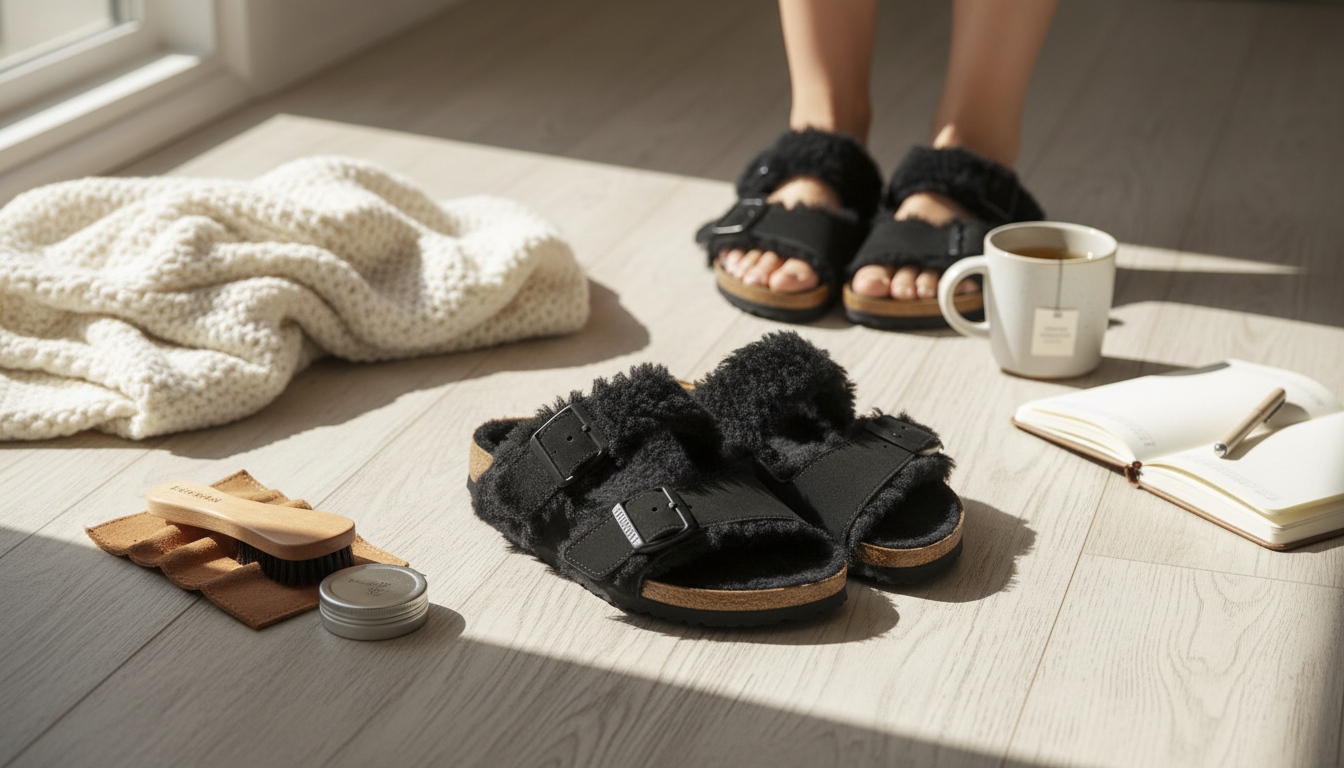
Birkenstock Women’s Leather Sandals: Everyday Comfort in a Classic Finish
Birkenstock women’s leather sandals are a warm-weather staple for good reason: supportive footbeds, durable strap materials, and a wear-in period that often leads to a personalized, “made for you” feel. Leather also brings a classic finish that works with everything from denim to linen, making these sandals easy to reach for on busy days. Below is a practical guide to choosing the right leather option, dialing in fit, and keeping your pair looking polished season after season.
What Makes Leather Birkenstock Sandals a Staple
- Leather that adapts over time: Leather uppers tend to soften and mold gently with wear while still keeping their shape and structure.
- Stability-first comfort: Footbed-focused construction is designed for steady support during walking-heavy days, not just quick trips outside.
- Adjustable straps: Many strap styles let you fine-tune the fit for different foot widths or for slight swelling in warm weather.
- Versatile, neutral finish: Leather tones pair easily with casual outfits and can look more refined than sport slides or foam sandals.
- Long-term value: Well-built components and materials that age gracefully can make leather sandals feel like a smart repeat-wear purchase.
Leather Upper Options and What They Feel Like
- Smooth leather: Often feels more structured at first, then softens with a gradual break-in. Minor scuffs may buff out with proper conditioning.
- Oiled or waxed leather: Known for developing a lived-in patina. Natural markings and color variation are typically more visible—part of the appeal.
- Suede leather: Soft and flexible from day one, but less forgiving with water and more likely to stain without a protectant.
- Lined vs. unlined straps: Lined straps can reduce friction points; unlined leather may feel more breathable but can take a few wears to settle.
- Buckles and hardware: After adjusting, check that buckles lie flat and don’t press into bony areas, especially near the big toe joint.
Footbed Support: Comfort Features to Pay Attention To
- Arch support: A footbed shape that matches your natural arch can help distribute pressure more evenly during longer walks.
- Heel cup: A deeper heel area can stabilize the foot and reduce sliding as you move.
- Toe bar/forefoot ridge: This subtle ridge can encourage a natural gripping motion, creating a more secure stride.
- Firmer vs. softer feel: Firmer footbeds often feel more stable and supportive; softer options can feel plush but may feel less structured over time.
- Break-in expectations: Supportive footbeds can feel firm at first, then become more comfortable as they adapt to your foot shape.
For additional background on how Birkenstock footbeds are designed, you can reference the brand’s general footbed information at Birkenstock. For broader foot health resources, the American Podiatric Medical Association (APMA) is a helpful starting point.
Fit and Sizing Tips for Women’s Leather Sandals
- Check length while standing: Toes and heel should sit within the footbed without crowding the edges when you walk.
- Adjust straps with intention: Tighten enough to prevent excessive sliding, but avoid over-tightening that creates pressure points or redness.
- Confirm width comfort: Your foot should rest on the footbed without spilling over the sides. Straps should feel secure without pinching the forefoot.
- Plan a smart break-in: Wear them for short periods at home first, then increase time gradually to reduce hot spots.
- Socks vs. bare feet: If you’ll occasionally wear socks, leave enough strap room to avoid rubbing across the top of the foot.
Quick Product Snapshot
If you’re ready to shop, the listing below is a straightforward option for daily wear, travel, and warm-weather errands.
| Item | Details |
|---|---|
| Product | Birkenstock Women’s Leather Sandals |
| Price | 110.73 USD |
| Availability | In stock |
| MPN | 40092 |
| SKU | 1:1 |
Styling Ideas: From Weekend Casual to Polished Summer Looks
- Denim and a tee: Leather sandals add a clean, intentional finish that looks elevated without trying too hard.
- Linen sets and midi dresses: Neutral leather tones complement breathable fabrics and warm-weather palettes.
- Travel outfits: Pair with relaxed pants or shorts for easy on/off convenience and steady walking comfort.
- Work-friendly casual: When open-toe footwear fits the dress code, style with tailored ankle pants and a lightweight blouse.
- Color coordination: Match your leather tone to belts or bags for a cohesive look that still feels relaxed.
For summer days out, a couple of add-ons can make errands and weekend plans even easier: a compact Waterproof Multifunctional 1.5L Bike Frame & Saddle Storage Bag for hands-free essentials, or a 90W Peak 50W RMS Bluetooth Speaker for backyard hangouts and patio time.
Care and Maintenance for Leather Sandals
For general leather care guidance, the University of Missouri Extension offers practical reference material: extension.missouri.edu.
Leather Sandals vs. Common Alternatives
| Type | Comfort for long walks | Durability | Best use |
|---|---|---|---|
| Leather footbed sandals | High (support-focused) | High (with care) | Daily wear, travel, errands |
| Foam slides | Medium | Medium | Poolside, quick outings |
| Flat fashion sandals | Low to Medium | Varies | Short wear, event styling |
| Water sandals | Medium | High | Wet conditions, outdoor activities |
FAQ
Do leather Birkenstock sandals stretch over time?
Leather straps commonly soften and relax slightly with wear, but they typically don’t “grow” dramatically. Aim for a comfortably snug fit that doesn’t pinch, rather than buying too loose and expecting major stretching.
How long does it take to break in leather sandals with a supportive footbed?
Break-in time varies by wearer and how often the sandals are worn. Start with short wears, increase gradually, and readjust straps as needed to prevent hot spots.
How should leather sandals be cleaned if they get dusty or scuffed?
Wipe dust away with a soft cloth, then use a lightly damp cloth for spot cleaning. If the leather looks dry or scuffed, apply an appropriate leather conditioner and let it air dry away from direct heat.






Leave a comment