6CH RC Fighter Glider for Kids: Durable EPP Foam
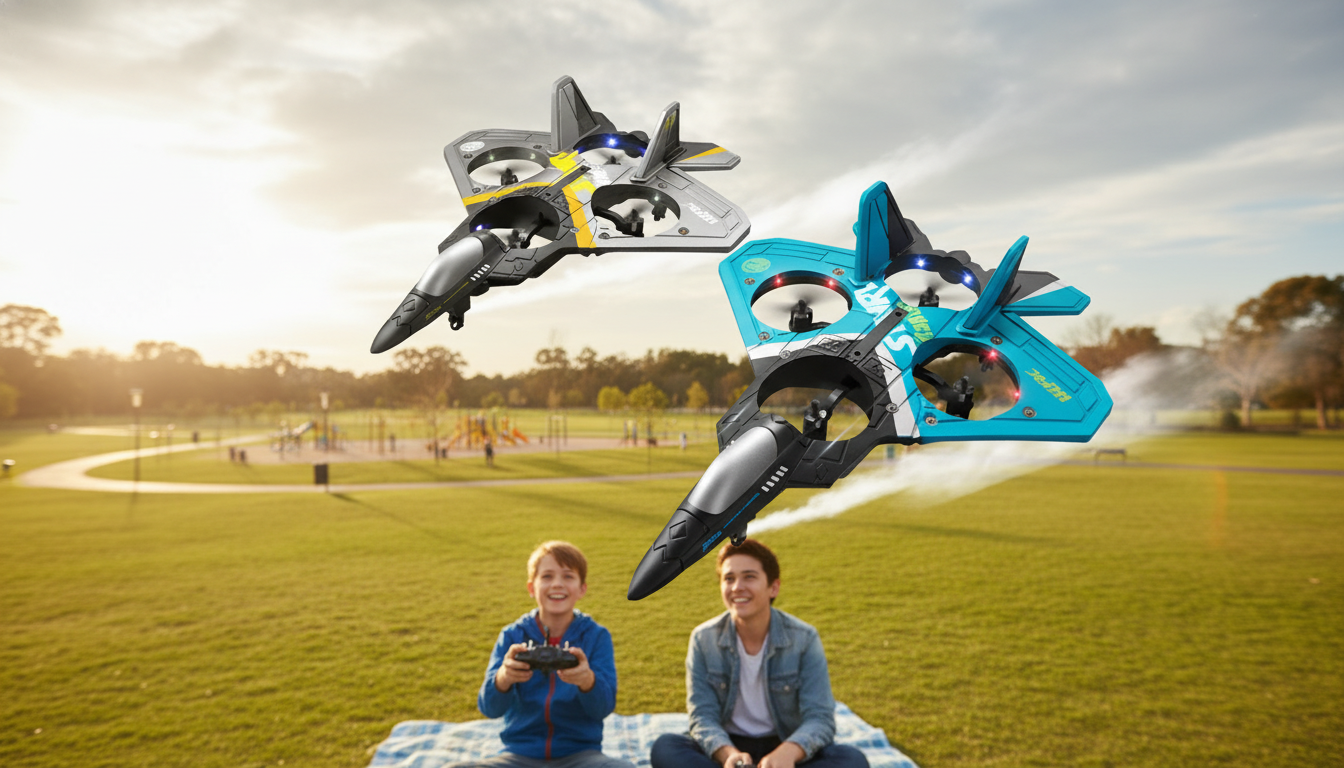
Remote Control RC Airplane 6CH Fighter Toy (2.4G EPP Foam Glider) for Kids
A lightweight EPP foam RC plane can make outdoor play feel like a real flying lesson—without the fragility that often comes with hobby aircraft. This 6-channel fighter-style RC airplane is designed for easy handling, stable flights, and kid-friendly durability, making it a practical pick for birthdays, holidays, and first-time pilots.
What Makes This RC Fighter-Style Glider Fun to Fly
Some RC airplanes look exciting but feel twitchy in the air—especially for kids still learning orientation and throttle control. A fighter-inspired glider that prioritizes stability keeps the “cool factor” while staying approachable for beginners.
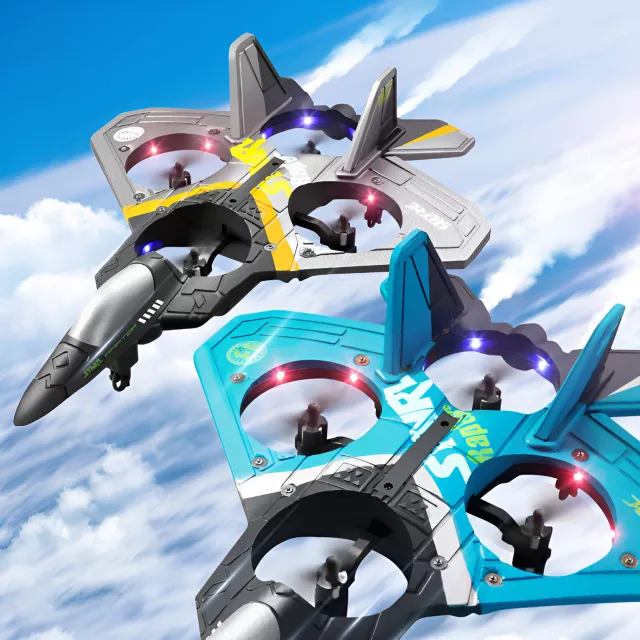
- Fighter-inspired design adds excitement, while the airframe is still aimed at predictable handling that helps new pilots stay in control.
- 6-channel control supports more than basic left/right steering, so kids can grow from simple turns into more confident, intentional maneuvers.
- 2.4G connection helps reduce interference, making it easier for multiple families to fly at the same park without constant signal conflicts.
- EPP foam construction keeps the plane light and impact-tolerant—an advantage when early flights include rough landings and the occasional bump.
Key Features to Look For (and Why They Matter for Kids)
For a kid-friendly RC airplane, durability and controllability usually matter more than raw speed. The right feature mix helps prevent frustration and keeps flight sessions fun rather than “one crash and it’s over.”
- EPP foam airframe: absorbs bumps and reduces the chance a small crash ends the day.
- 2.4G radio system: cleaner control and easier pairing than older frequency types, with fewer interruptions when others are flying nearby.
- 6-channel control: a broader range of maneuvers as confidence grows—great for progressing from beginner to intermediate skills.
- Glider-style efficiency: lighter airframes often feel smoother in calm conditions and can stay aloft more comfortably during gentle cruising.
- Fewer fragile parts: simpler structures are typically quicker to reset after a rough landing, which keeps kids engaged.
Quick Specs & Buying Checklist
Before purchasing any RC aircraft for kids, it helps to think through where it’ll be used and how the first few practice sessions will go. A little planning upfront can prevent common first-day frustrations.
- Confirm what’s in the box: plane, transmitter, battery and charging cable, and any spare props/parts.
- Match the plane to the flying area: a small backyard may be too tight; an open field makes learning easier.
- Expect a learning curve: beginners do best with short sessions in calm wind.
- Pick a soft, obstacle-free spot: open grass is ideal for forgiving takeoffs and landings.
At-a-glance checklist for a first RC airplane
| Item to Check | Why It Matters | What to Aim For |
|---|---|---|
| Control system | More channels allow growth in skill | 6CH for learning and progression |
| Signal type | Reduces interference and improves reliability | 2.4G radio connection |
| Airframe material | Durability during beginner crashes | EPP foam or similar impact-tolerant foam |
| Flight location | Safety and easier recovery | Open field, low wind, no crowds |
| Spare/repair plan | Keeps the toy usable long-term | Tape/foam-safe glue and basic spare parts |
Setup Tips for a Better First Flight
Early success builds confidence. A consistent pre-flight routine helps kids understand cause and effect—what changes in control inputs do in the air—and reduces the odds of a preventable crash.
- Charge fully before the first flight to avoid sudden power dropoffs mid-session.
- Do a quick pre-flight check: verify controls respond correctly, battery is seated, and the airframe isn’t warped.
- Use gentle, wide turns: overcorrection is one of the most common beginner mistakes.
- Fly low and slow first: it’s easier to land and less confusing when the plane stays closer and orientation is clearer.
- Respect the wind: if wind is noticeable, wait for calmer conditions or choose a more sheltered open space.
Safety, Where to Fly, and Responsible Use
Even lightweight foam aircraft can cause injury if flown too close to people or obstacles. Choosing the right spot—and modeling responsible habits—makes the experience safer and more enjoyable.
For additional U.S. guidance, review the FAA’s recreational model aircraft information at FAA Recreational Flyers & Model Aircraft Guidance and community safety best practices in the Academy of Model Aeronautics (AMA) Safety Code.
Care, Storage, and Simple Repairs
Gift-Ready Reasons Parents and Kids Appreciate
Shop Related Picks
- Remote Control RC Airplane 6CH Fighter Toy, 2.4G EPP Foam Glider, Kids Gift (a durable, kid-friendly way to learn real RC control basics)
- Your Checklist for Writing a Children’s Book (Printable Author Guide) (a creative add-on for kids who like making stories about their adventures)
FAQ
Is a 6-channel RC airplane suitable for beginners?
Yes. Beginners can start with gentle inputs and basic turns, then use the extra channels as their coordination and confidence improve. Calm weather, open fields, and short practice sessions make learning much easier.
What is EPP foam and why is it used for RC planes?
EPP is a lightweight, impact-tolerant foam that helps an airframe survive bumps, rough landings, and common beginner mistakes. It’s widely used in trainer-style and park-flyer designs because it balances durability with easy flight performance.
Where is the best place to fly a small RC airplane?
An open grassy field away from people, roads, trees, and power lines is ideal. Check local park rules before flying, and avoid windy conditions while learning to prevent fast drift and hard landings.




Leave a comment