Cordless Water Flosser: 300ml Tank, 4 Modes Guide
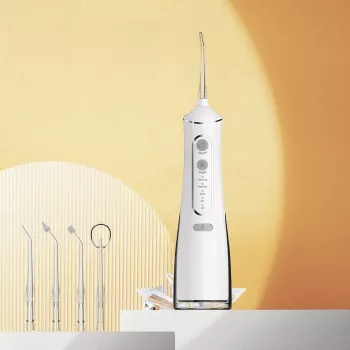
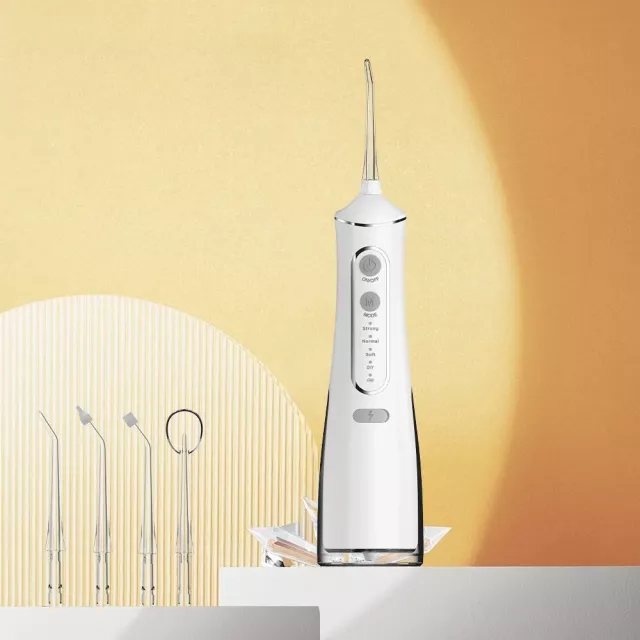
Rechargeable Oral Irrigator Water Flosser with 300ML Tank and 4 Cleaning Modes
A cordless water flosser can make daily cleaning easier by flushing food debris and plaque from along the gumline and between teeth—especially for braces, implants, and tight contacts. This rechargeable oral irrigator pairs a 300ML water tank with four cleaning modes to help tailor pressure and pulse patterns for comfort and results at home or while traveling.
What a cordless water flosser adds to daily oral care
Brushing does a lot, but it can’t always reach into narrow interdental spaces or clean effectively around dental work. A cordless oral irrigator uses a focused stream of water to rinse away loose debris in places that are easy to miss during a normal routine.
- Targets areas a toothbrush can miss: interdental spaces, gumline, and around dental work
- Useful for braces, bridges, crowns, implants, and periodontal pockets where string floss may be difficult
- Helps reduce buildup by rinsing away loose debris after meals and before brushing
- Supports a routine when traditional flossing is inconsistent or uncomfortable
For foundational oral-care guidance, the American Dental Association (ADA) and Mayo Clinic both emphasize the importance of cleaning between teeth as part of a complete routine.
Key features: 300ML capacity and four cleaning modes
This rechargeable water flosser combines a larger, 300ML tank with multiple settings so the same device can work for first-time users and for people who want a stronger rinse around brackets, retainers, or tight contacts.
- 300ML tank capacity supports longer sessions without frequent refills, helpful for thorough gumline passes
- Four cleaning modes allow a gentle start and stronger settings as comfort improves
- Rechargeable design reduces disposable battery costs and is convenient for bathrooms with limited outlets
- Cordless handling makes it easier to reach back molars and clean around braces or retainers
How the 4 modes can fit common needs
| Mode | Best for | What it feels like |
|---|---|---|
| Gentle/Soft | Sensitive gums, first-time users | Lower pressure, more comfortable at the gumline |
| Standard/Daily | Everyday cleaning | Balanced pressure for general rinsing between teeth |
| Pulse/Massage | Gum stimulation | Rhythmic bursts that can feel like a light massage |
| Strong/Deep | Stubborn debris, braces/attachments | Higher pressure; use carefully and avoid aiming into the gums |
How to use it effectively (and comfortably)
Small technique tweaks make a big difference. The goal is to skim along the gumline and between teeth—without blasting directly into gum tissue.
- Fill the tank with lukewarm water; colder water can feel sharp on sensitive teeth
- Lean over the sink and start on the lowest mode; increase only if it remains comfortable
- Aim the stream at a 90-degree angle to the gumline (not into the gum tissue)
- Work systematically: outer surfaces → inner surfaces → chewing surfaces; pause briefly between teeth
- For braces: trace along brackets and under wires; for implants/crowns: focus at the margins
- After use, empty remaining water and run a short burst to clear the line
If you’re new to water flossing, expect a short adjustment period. Mild, temporary bleeding can happen when gums are inflamed from plaque buildup, but comfort should improve as tissues calm down and your technique gets more consistent.
Tank capacity: what 300ML means in real routines
A 300ML reservoir is a practical sweet spot for many at-home routines: enough water to move slowly and methodically, but still compact for bathroom storage or packing. The biggest day-to-day benefit is fewer interruptions—no stopping mid-arch to refill when you’re trying to keep a steady, thorough pass.
- A larger tank helps maintain consistent pressure and avoids interruptions mid-routine
- Suitable for users who prefer slower, more methodical passes along the gumline
- Convenient for cleaning both upper and lower arches without rushing
- If adding mouth rinse, follow label directions and consider diluting to reduce irritation
For many users, one fill is enough for a complete mouth pass, especially on lower settings. If you prefer extra time on braces, bridges, or back molars, you may still have water left for a second sweep.
Cleaning, maintenance, and hygiene
Keeping the tank and water pathway clean helps performance stay consistent and reduces odors or residue—especially in humid bathrooms.
- Daily: empty and air-dry the tank; wipe the exterior to prevent moisture buildup
- Weekly: rinse the tank thoroughly; if mineral buildup occurs, soak with a vinegar-water solution then rinse well
- Replace tips/nozzles periodically (especially if bristles or seals degrade) and avoid sharing tips between users
- If used with medicated rinses, flush with plain water afterward to reduce residue
Who it’s best for (and when to be cautious)
This style of cordless oral irrigator is especially helpful when string floss feels like a chore, gets stuck, or is hard to maneuver around dental work. It’s also a handy after-meal rinse when food tends to trap in the same spots.
Product options in stock
-
Rechargeable Oral Irrigator Water Flosser – 300ML Capacity, 4 Cleaning Modes
— $35.76 (USD), in stock -
Waterproof Multifunctional 1.5L Bike Frame & Saddle Storage Bag
— $12.39 (USD), in stock
FAQ
Is a water flosser a replacement for string floss?
A water flosser can be a strong addition to interdental cleaning, especially when string floss is difficult around braces, bridges, or implants. Many people still benefit from floss or interdental brushes depending on spacing, gum health, and dental work, so the best approach is the one you can do consistently and comfortably.
What cleaning mode should be used for sensitive gums?
Start with Gentle/Soft using lukewarm water, then increase gradually only if it stays comfortable. Keep the stream aimed along the gumline rather than into the gums to avoid irritation.
How long does one 300ML tank last per use?
It varies by setting and how slowly you work, but 300ML is typically enough for a full-mouth pass for many users. Lower modes and more methodical technique usually stretch the tank longer than higher-pressure, faster passes.




Leave a comment