Cat Slicker Brush: Reduce Shedding & Static with Ions
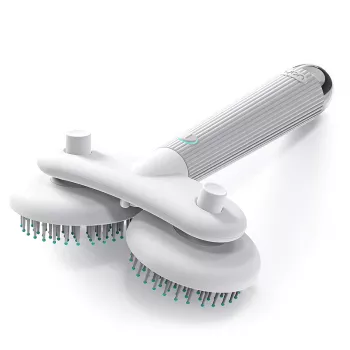
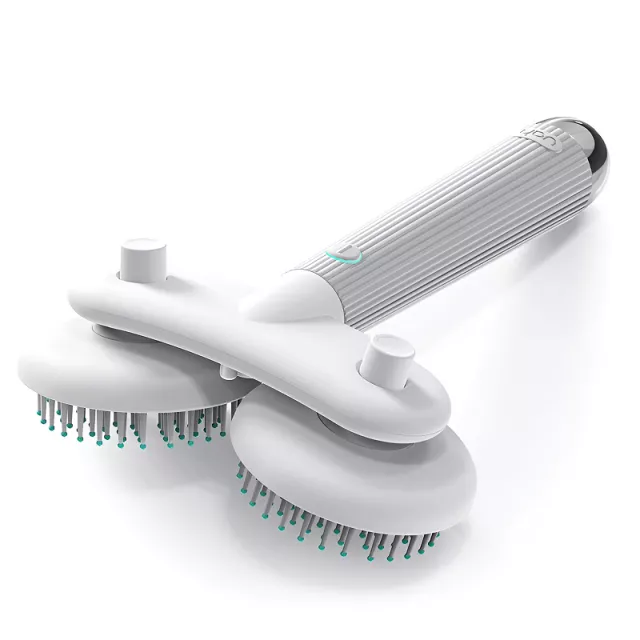
Cat Grooming Slicker Brush with Negative Ions for Shedding & Grooming
Shedding, tangles, and static can turn a quick brush-out into a messy, stressful routine. A slicker brush designed for cats can lift loose undercoat and smooth the top layer, while a negative-ion feature is often chosen by pet parents who want a more comfortable, lower-static grooming experience—especially during dry seasons and in heated indoor air. For more guidance, see Cat Brush For Long Haired Cats DakPets All-in-One Pet Grooming ….
What This Slicker Brush Is Designed to Do
A cat slicker brush is built for routine coat maintenance: grabbing loose hair, helping prevent tangles, and keeping the coat looking neat between baths or professional grooming visits. Used gently, it can also help many cats tolerate grooming better over time because the coat feels lighter and less “catchy” during petting. For further reading, see Gelek Electric Pet Comb For Dogs & Cats – Battery Powered ….
- Lifts loose hair from the coat to help reduce shedding around the home
- Helps separate and smooth fur to prevent small tangles from becoming mats
- Supports routine coat care for short-, medium-, and long-haired cats
- Aims to make grooming feel calmer by reducing tugging and minimizing static buildup
If you’re shopping for a brush made specifically for this routine, see the Cat Grooming Slicker Brush with Negative Ions for Shedding & Grooming (in stock).
Why Negative Ions Matter for Coat Feel and Static
Static is a common culprit behind “flyaway” fur and that clingy coat feeling that makes hair stick to hands, clothing, and upholstery. Dry indoor air—especially in winter or in homes running heat—can make static more noticeable for both people and pets.
- Dry indoor air can increase static, making fur cling to clothing and making brushing feel less comfortable for some cats
- Negative-ion features are commonly marketed to help reduce static and keep the coat feeling smoother after brushing
- Static control can be especially noticeable on fine, fluffy coats and during winter months
- For best results, pair brushing with a calm environment and short sessions so the cat associates the brush with comfort
Feature-to-Benefit Snapshot
| Feature | What it helps with | Best for |
|---|---|---|
| Slicker-style pins | Catching loose hair and light tangles near the surface | Routine shedding control |
| Negative-ion function | Reducing static and improving coat smoothness feel | Dry-season grooming, fluffy coats |
| Regular brushing routine | Lowering hair buildup and supporting skin/coat health | Multi-cat homes, seasonal shedding |
| Short, gentle sessions | Keeping grooming positive and reducing stress | Cats new to brushing |
How to Use It Without Irritating Skin
Slicker brushes can be very effective, but technique matters. The goal is to lift loose hair and separate the coat—not to “scrub” the skin. When used with a light hand, brushing can become a low-stress routine most cats accept (or even enjoy).
- Start with 1–3 minute sessions, then gradually extend as the cat relaxes
- Use light pressure: slicker pins should glide through fur, not scrape the skin
- Brush in the direction of hair growth; for thicker areas, use shorter strokes
- Focus on high-shed zones (back, sides) and be extra gentle around belly, armpits, and behind the ears
- If resistance is felt, stop and work the area slowly rather than pulling through a tangle
For cats that get overstimulated, try brushing when your cat is naturally calm (after a meal or play). A steady, predictable routine tends to work better than long sessions done occasionally.
Grooming Routine by Coat Type
How often to brush depends mainly on coat length and density, plus the season. Many cats shed more heavily at certain times of year, and indoor cats can have their own “shedding schedule” influenced by lighting and temperature.
- Short hair: 1–2 times per week for maintenance; increase during heavy shedding periods
- Medium hair: 2–3 times per week to prevent small tangles from setting in
- Long hair: most days (brief sessions) to reduce mat formation, especially on friction areas like the chest and hindquarters
- Cats that dislike grooming: keep sessions short, offer a treat after, and stop before frustration starts
For general grooming guidance and what to watch for with skin and coat, reputable references include the ASPCA’s cat grooming tips and the Cornell Feline Health Center overview on grooming.
Cleaning and Care for Better Results
A brush that’s packed with hair won’t grab loose fur as effectively, and buildup in crevices can create snag points. A quick clean after each session keeps grooming smoother the next time.
When a Different Tool May Be a Better Fit
For broader cat care resources (including grooming as part of routine wellness), the American Veterinary Medical Association cat care page is a helpful reference.
Shop In-Stock Picks
- Cat Grooming Slicker Brush with Negative Ions for Shedding & Grooming — $22.22
- Waterproof Multifunctional 1.5L Bike Frame & Saddle Storage Bag — $12.39
- 90W Peak 50W RMS Bluetooth Speaker — $45.91
FAQ
How often should a cat be brushed to reduce shedding?
Short-haired cats often do well with brushing 1–2 times per week, medium coats about 2–3 times per week, and long-haired cats benefit from brief sessions most days. Increase frequency during seasonal sheds or when you notice more loose hair on furniture.
Is a slicker brush safe for cats with sensitive skin?
It can be, as long as you use very light pressure, brush with the direction of hair growth, and avoid bony or delicate areas. Stop if you see redness or your cat shows discomfort, and check with a veterinarian if skin issues persist.
Do negative ions actually help with cat grooming?
Negative-ion features are commonly used for static control and a smoother coat feel after brushing, especially in dry indoor conditions. Comfort still depends heavily on gentle technique, coat condition, and keeping sessions short and calm.






Leave a comment